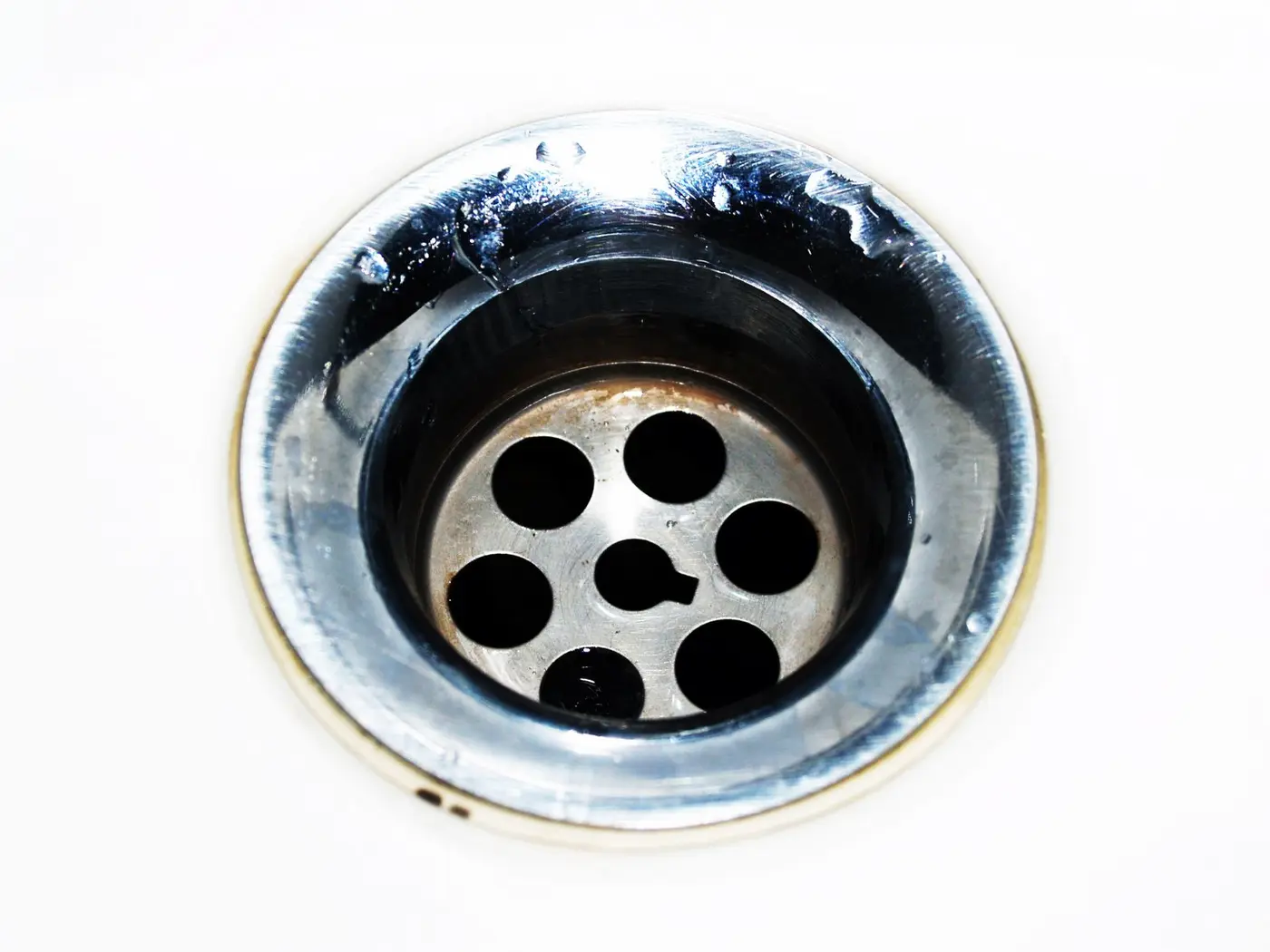
Drains almost never fail without warning. They slow down first. They gurgle after a flush. They smell a little off for weeks before the water finally refuses to go anywhere. Most homeowners notice the early signs and file them away as quirks of the house.
That habit is worth breaking. A drain cleaned at the grumbling stage is a small job handled in one visit. A drain ignored until it backs up is a weekend emergency with a mess attached. Here is what your pipes are trying to tell you, and when to take them seriously.
Water that drains slower every week.
A slow drain is a narrowing pipe. Grease, soap scum and hair build a lining on the pipe wall, and every month that lining gets thicker. Mesa's hard water speeds the process up. Mineral scale gives the gunk a rough surface to grab, so buildup that would slide through a smooth pipe sticks here instead.
Pay attention to the pattern. One slow fixture usually means a clog close to that drain, which is a quick fix. When the tub, the bathroom sink and the kitchen all slow down together, the problem sits deeper in the line. No bottle of chemicals from the hardware store will reach it.
Gurgling sounds from the toilet or tub.
Gurgling is air where air should not be. A partial blockage traps air in the line, and when water pushes past it, that air escapes up through the nearest fixture. That is the burping sound you hear after a flush or when a sink empties.
The telling version is cross talk between fixtures. If the toilet gurgles while the washing machine drains, those two lines share a path that is closing up. That is a main line warning. It deserves a camera inspection before it turns into sewage on the bathroom floor.
Smells that come back after you clean.
A drain that smells is a drain holding rotting buildup. You can scrub the sink, pour boiling water down it, and drop in every deodorizing trick on the internet. The odor returns in a day or two because the source sits farther down the pipe than you can reach.
A true sewer smell is a different animal. That points to a venting problem or trouble in the sewer line itself, and it should move a plumber to the top of your list. Sewer gas inside the house is not something to live with while you wait.
Backups that keep coming back.
Plunging the same toilet every week is not maintenance. It is a symptom. A clog that reforms in the same spot means something is snagging waste on every pass. That could be hardened buildup, an invading root, or a low sagging section of pipe holding water.
Monsoon season raises the stakes for Mesa homes. When a summer storm dumps water fast, a drain system that was already half blocked can surge and push flow back into the house. A line cleaned before storm season handles those weeks far better than one running at half capacity.
Simple habits that keep drains clear.
Grease belongs in a can, not the kitchen sink. Wipe pans with a paper towel before washing, and run hot water for a moment after doing dishes. In the bathroom, a mesh strainer catches the hair that starts most tub and shower clogs.
Once a month, fill each sink to the top and pull the plug. That full column of water flushes the line harder than everyday use ever does. It is a small habit, and it keeps buildup from settling in and hardening.
What a real drain cleaning looks like.
Store bought drain chemicals punch a hole in the clog, eat at your pipes, and leave the buildup behind. A proper cleaning starts with a camera inspection instead. You see exactly what is in the line and where it sits, so nobody is guessing with your plumbing.
From there, cabling clears the blockage and hydro jetting scrubs the pipe wall clean, not just open. If your drains are showing any of these signs, Prestige Plumbing runs camera inspections and drain cleaning across Mesa and the East Valley. Estimates are free, and someone answers around the clock.
The short version.
- One slow drain is a local clog. Every drain slowing together points to the main line.
- Gurgling fixtures mean trapped air behind a partial blockage. Take the sound seriously.
- Chemical drain cleaners hide the problem for a while and damage pipes. Skip them.
- A camera inspection shows exactly what is in the line before any work starts.