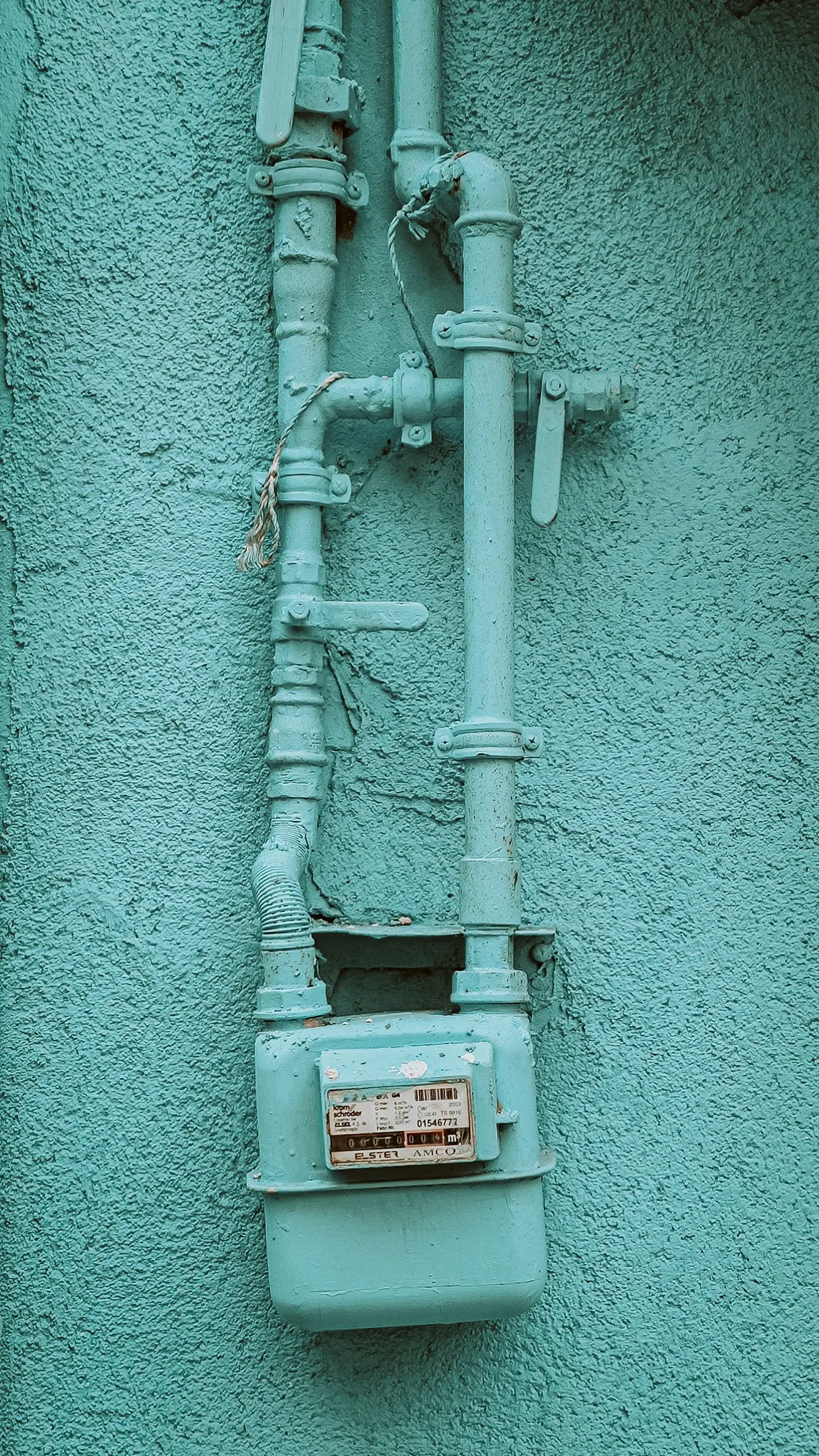
Natural gas heats water, dries clothes and grills dinner in homes all over Mesa. Handled correctly, it is a safe and efficient fuel. It just carries zero tolerance for guesswork, which is why every homeowner should know the basics before they are ever needed.
This guide covers what a gas leak smells and sounds like, exactly what to do if you suspect one, and why the repair itself belongs to a licensed professional. Read it once now. The steps matter most in the moment when there is no time to look them up.
Why gas lines deserve respect.
A water leak ruins flooring. A gas leak can be far more serious, which is why gas work is held to stricter codes and permits than almost anything else in a house. Lines run under slabs, through attics and along exterior walls, and every joint has to be tight.
Age, corrosion, shifting soil and remodeling mistakes are the usual troublemakers. Homes that add appliances over the years can also outgrow the original line size. None of this is cause for panic. It is cause for attention.
Know the warning signs of a leak.
Utilities add a distinct odor to natural gas so your nose can find it. It smells like rotten eggs or sulfur. Trust that smell even when it is faint, and even when nobody else notices it. Your nose can dull to the odor within minutes, so act on the first impression.
Other signs deserve the same respect. A hissing sound near a line or appliance, dirt blowing up from the ground on a still day, a patch of dead vegetation over a buried line. Weak or oddly colored burner flames are worth a look too.
If you smell gas, leave first.
Do not hunt for the source. Get everyone out of the house right away and leave the door open behind you. Do not flip a light switch on or off, do not unplug anything, and do not use a phone inside. A tiny spark is all it takes.
Skip the garage door opener too, and never start a car in an attached garage. Walk to a neighbor's house or the far end of the yard. Distance is your friend until the line has been checked and cleared.
Call the gas company from outside.
Once you are safely away from the house, call your gas company's emergency line. They respond around the clock, and they will shut off service and make the scene safe. The call costs nothing and it is never an overreaction. Save the number in your phone today so you are not searching for it in the yard.
After the utility makes things safe, the repair itself is a separate job. That is when you call a licensed plumber to locate the leak, repair the line, test it under pressure and get your service restored properly.
Leave gas work to a licensed pro.
Gas piping is not a weekend project, full stop. Repairs, appliance hookups, dryer lines and new runs all need correct sizing, tight joints, pressure testing and permits. An undersized line starves appliances, and one bad joint can leak quietly for years.
Licensed, bonded and insured matters more with gas than anywhere else in the trade. Ask about permits before any work starts. A pro who tests the line and pulls the permit is protecting your family, not padding the invoice.
Prevention beats reaction.
Have gas lines looked at when you buy an older home or add a new appliance. A pool heater, fire pit or outdoor grill often means the main line needs upsizing to feed everything properly. Guessing at capacity is how appliances underperform and joints get stressed.
Know where your gas meter and shutoff are, and keep the area around them clear. If you ever want a professional opinion on an aging line or a new hookup, Prestige Plumbing handles gas line work across Mesa and the East Valley, and estimates are free.
The short version.
- A rotten egg smell, hissing or dead vegetation can signal a gas leak.
- Leave the house first. Do not flip switches or use phones inside.
- Call the gas company from outside, then a licensed plumber for the repair.
- Gas repairs and hookups always need a licensed, permitted pro.