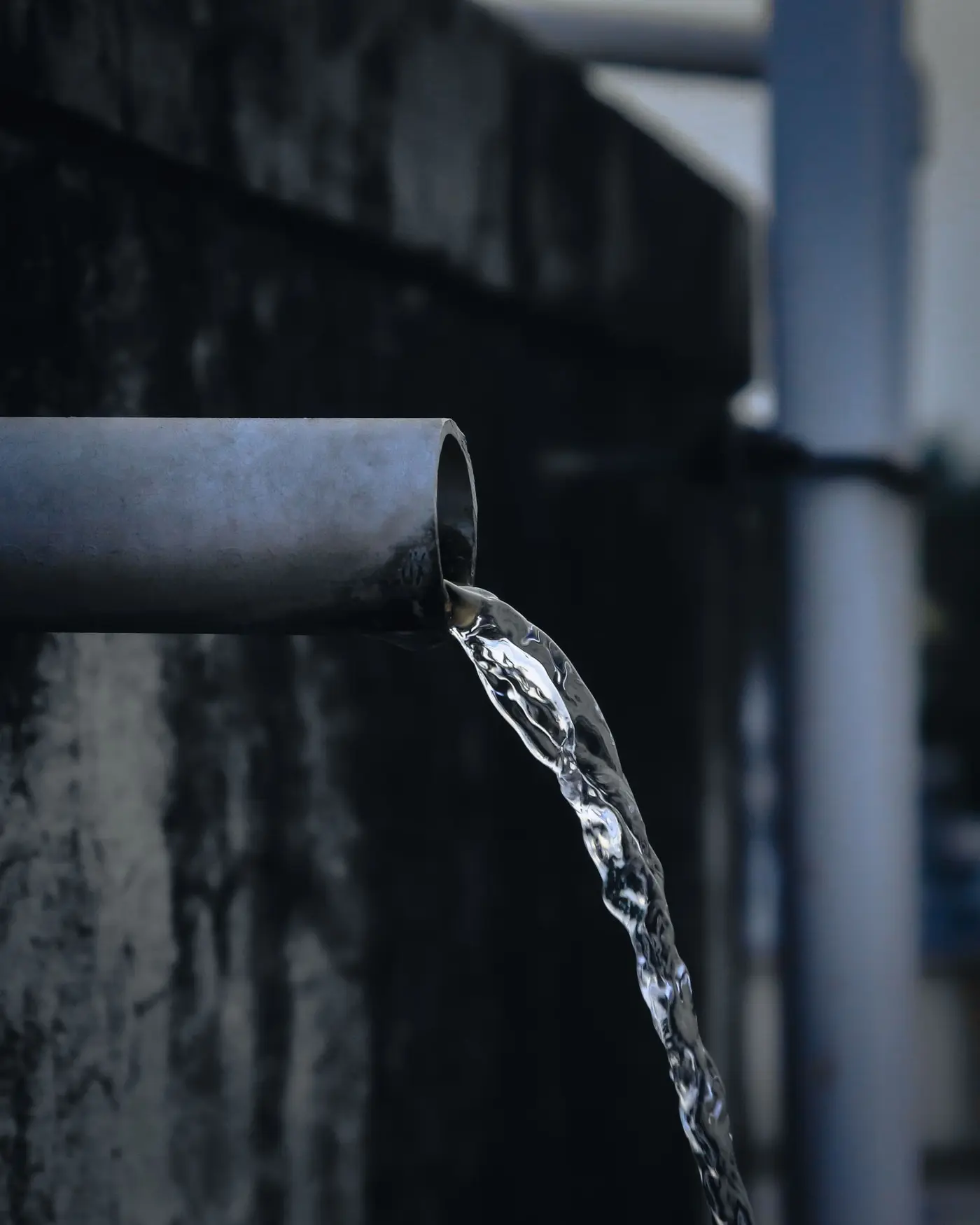
Hydro jetting sends water through your drain line at very high pressure, through a nozzle built to spray in every direction. It does not poke a hole in a clog and call the job done. It washes the whole pipe back to clean.
Plenty of clogs never need it. A snake handles a wad of hair or a flushed toy just fine. But for the slow, greasy, recurring problems that Mesa drain lines love to develop, jetting is a different class of tool. Here is what it does well, and when it earns its keep.
Why a snake alone often is not the fix.
A drain snake is basically a drill bit on a cable. It bores through the blockage, water flows again, and everyone goes home happy. The trouble is what stays behind: the thick coating of grease and scale lining the pipe from every side.
That coating is why the same drain clogs again a few months later. The pipe was opened, not cleaned. Buildup keeps collecting on the rough walls until the hole the snake made closes itself right back up, and you are on the phone again. Jetting breaks the cycle by removing what the next clog would have grown from.
Grease, soap and scale come off the walls.
Jetting works like pressure washing the inside of the pipe. The nozzle sprays backward and sideways as it travels, stripping grease, soap scum and sludge off the walls instead of drilling a channel through the middle of the mess.
East Valley hard water makes this matter more. Mineral scale builds a rough crust inside older lines, and grease bonds to that crust fast. Jetting clears the layer a cable slides right past. That is why a jetted line stays clear so much longer than a snaked one.
Roots get cut out instead of pushed aside.
Tree roots find sewer lines through the smallest joints and cracks, because a sewer line offers steady water in a desert. Once inside, roots spread into a net that catches grease, paper and everything else you send down.
A root cutting jetter head slices the growth out and flushes the pieces down the line. A camera pass afterward shows whether the pipe itself is still sound, or whether the roots came in through a break that needs a real repair.
Safe for your pipes when the line is scoped first.
Water at that pressure deserves respect. A responsible jetting job starts with a camera inspection to confirm what the pipe is made of and what shape it is in. Sound PVC, cast iron and clay lines all handle jetting well.
A line that is collapsed or badly cracked does not need jetting. It needs repair, and the camera is what tells you the difference before anyone runs a machine into it. Scope first is the rule worth insisting on with any company you hire.
How often a line actually needs it.
For most houses, jetting is not a subscription. You jet when the symptoms or the camera say so. A line cleaned properly can stay clean for years, especially once the grease habits upstream improve along with it.
Commercial kitchens are the different story. Grease heavy lines in restaurants build up fast no matter how careful the staff is, and putting jetting on a schedule keeps them off the emergency list. For a house, the honest answer is to clean when the line tells you to.
When jetting makes sense for a Mesa home.
Think of jetting for the repeat offenders. A kitchen line that slows down every few months. A main line that backs up every monsoon season. A sewer line with a history of roots. These are buildup problems, and jetting is a buildup solution.
It also earns its keep before bigger work, clearing the line so a camera can actually see the pipe. Prestige Plumbing runs camera inspections and hydro jetting across Mesa and the East Valley, with free estimates and a straight answer about which tool your line really needs.
The short version.
- A snake opens a hole through the clog. Jetting cleans the whole pipe wall.
- Hard water scale plus grease is why so many Mesa drains clog on repeat.
- Always scope a line with a camera before jetting it. No exceptions.
- Recurring clogs and root intrusion are the classic hydro jetting jobs.